Key Takeaway
- An Agile mindset starts with values and collaboration, not tools or frameworks.
- Psychological safety and continuous learning are vital for long-term success.
- Empowered teams make better decisions, driving sustainable agility.
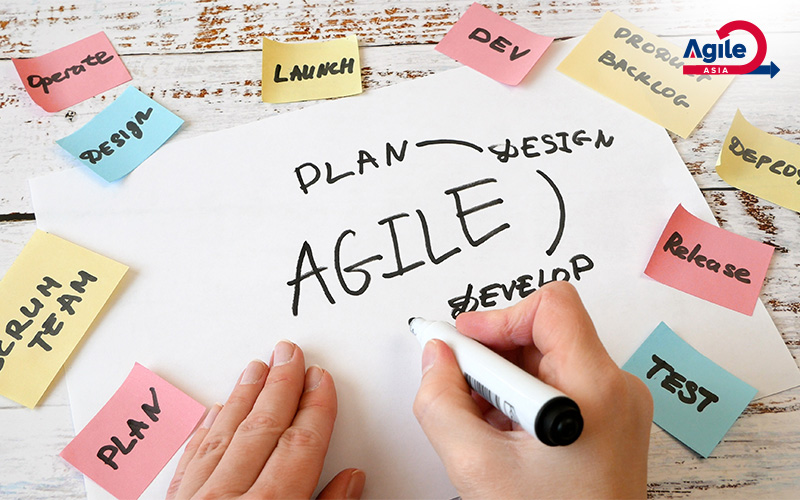
Agile is more than a methodology; it is a way of thinking that influences how teams work, communicate, and adapt. While tools and processes are helpful, they are not the starting point. The real transformation begins with people and how they interact with each other. That is why building an Agile mindset means prioritising culture before anything else. In today’s fast-paced business environment, developing this mindset is key to building resilient, innovative, and future-ready teams. Here are several ways to go about it.
1. Focus on People and Values

The foundation of any Agile mindset lies in people. Before considering which tools to use or which framework to adopt, ask how your team collaborates, communicates, and supports one another. Agile values such as transparency, respect, and commitment must be visible in everyday work.
Rather than enforcing rigid processes, focus on how individuals contribute to shared goals. Valuing collaboration over compliance helps teams better understand their roles within the bigger picture. Ultimately, when values guide decisions, Agile practices fall into place more naturally. This people-first approach creates stronger alignment, better morale, and clearer purpose.
In other words, agility should be lived, not just implemented.
2. Create a Safe and Supportive Environment

A culture of collaboration cannot thrive without psychological safety. This means building an environment where team members feel safe to voice concerns, ask questions, and try new things without fear of failure or blame.
When teams feel supported, they are more likely to experiment, give feedback, and challenge assumptions—behaviours that are essential to innovation. Leaders play a key role here. Their openness and willingness to model vulnerability directly impact how comfortable others feel to speak up.
At AgileAsia, we teach leaders to create these conditions as part of our Agile courses, especially those focused on building a transformation mindset. Creating this safety is essential for any lasting Agile success.
3. Encourage Continuous Improvement
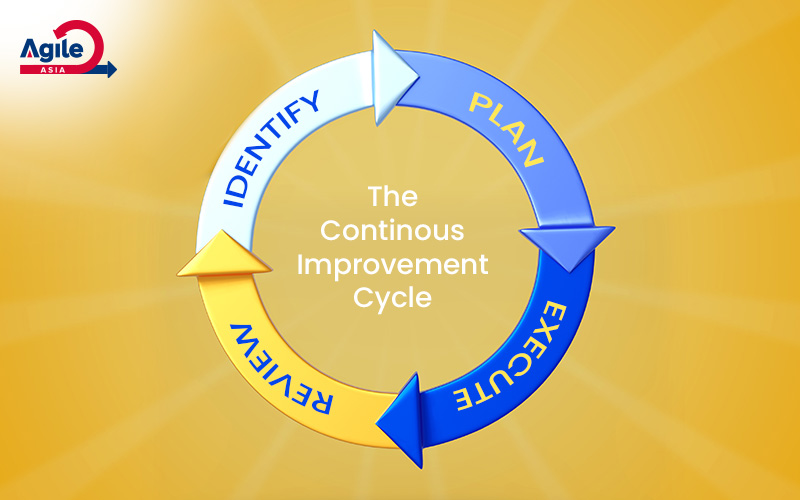
Agility is not a destination but a journey. Teams with a strong Agile mindset do not simply react to change. Instead, they proactively seek ways to improve.
In practice, this looks like regular retrospectives, open feedback channels, and time carved out for learning. These reflect a team’s commitment to growth.
By making learning part of the workflow, organisations create room for adaptation, even in high-pressure environments. In Singapore, where teams often balance tight deadlines and shifting priorities, building in these moments for reflection can give them a competitive advantage.
This mindset of constant growth is central to Agile thinking and is reinforced in many of our programmes here at AgileAsia, including the Certified Scrum Professional Product Owner track.
4. Empower Teams to Make Decisions

In traditional settings, decision-making is often top-down. Agile flips that. Empowered teams that adopt an Agile mindset take responsibility not only for completing tasks but also for shaping how those tasks are approached.
When teams are trusted to make their own decisions, they feel a sense of ownership over their work. This autonomy improves motivation and speeds up problem-solving. It also allows teams to adapt workflows quickly when challenges arise.
AgileAsia promotes this through exercises in our Agile courses that encourage teams to design and test their own processes. We have found that when teams are given room to lead, they become more accountable and resilient.
Empowerment is not about handing over all control; it is about creating alignment around goals while trusting teams to find the best way forward.
An Agile mindset cannot be built overnight, nor can it be achieved by simply adopting tools or frameworks. The real change comes from how teams think, interact, and respond to change.
By focusing on values, psychological safety, continuous improvement, and team empowerment, organisations can cultivate a culture of collaboration that supports lasting agility.
As a leading Agile certification institute in Singapore, we at AgileAsia are dedicated to helping professionals and teams grow their transformation mindset. We offer a wide range of training options, from foundational Agile courses to advanced certifications like the Certified Scrum Professional Product Owner programme, all designed to help you take your team to the next level.
To find out more about our courses and programmes, please contact us today.