Certified Sustainability Finance Professional (CSFP)

Singapore is rapidly establishing itself as a regional hub for sustainable finance, driven by MAS initiatives, the Singapore Green Plan 2030, and the increasing adoption of ESG standards across industries. A key development is Singapore’s alignment with the International Sustainability Standards Board (ISSB) framework for sustainability reporting, ensuring that companies adhere to globally recognized reporting standards while meeting local regulatory requirements. Finance professionals and organizational leaders need to understand these reporting frameworks, ESG integration, and sustainable financial instruments to make informed decisions that drive both financial and societal impact.

Furthermore, the Integration of Generative AI represents a transformative opportunity for finance professionals. AI can accelerate ESG data collection, automate scenario modeling, enhance climate risk assessment, and generate innovative sustainable finance strategies. By mastering these capabilities, participants gain a competitive advantage, enabling them to implement data-driven, efficient, and compliant sustainable finance solutions aligned with both ISSB standards and Singapore’s regulatory landscape.

This program equips participants with the knowledge, practical skills, and technological tools to lead sustainable finance initiatives, helping organizations meet regulatory expectations, achieve sustainability goals, and capitalize on emerging opportunities in Singapore’s rapidly evolving green finance ecosystem.

15+ Years of Experience

Up to 70% Subsidy

10000+ Professionals

5 Stars Google Ratings

Course Overview

Sustainable finance has emerged as a critical driver for economic growth, environmental stewardship, and social responsibility in today’s rapidly evolving business landscape. With increasing global attention on climate change, ESG standards, and responsible investment practices, finance professionals must equip themselves with the knowledge and tools to integrate sustainability into their decision-making processes. The Certified Sustainability Finance Professional (CSFP) program is designed to provide participants with a comprehensive understanding of sustainable finance, ESG integration, and the regulatory landscape, with a strong focus on the Singapore context.

Why AgileAsia?

  • Premier Training Provider specialising in Agile Training, with up to 70% fees subsidy + UTAP claimable courses.
  • Trained > 10,000 participants locally for the past two years, conducted by Top Scrum Alliance Certified Scrum Professional Scrum Master Trainers from the UK and Australia with > 15 years of hands-on experience in the Agile landscape.
  • Fun and engaging activities-based learning, with lifelong online support for individual learners and transformation consultation sessions for corporate partners after course completion.

Discover an unmatched learning adventure that sets us apart, delivering a transformative experience you won’t find anywhere else. Gain a competitive edge with our exceptional training, unmatched by any other provider in the market.

Course Overview

The Certified Sustainability Finance Professional (CSFP) program is an intensive 3-day course designed for finance professionals, corporate sustainability officers, ESG analysts, and business leaders who wish to deepen their expertise in sustainable finance within the Singapore context. The program equips participants with a comprehensive understanding of ESG integration, sustainable financial instruments, climate risk assessment, and regulatory frameworks, while providing hands-on experience through case studies, simulations, and interactive workshops.

Participants will explore Singapore’s dynamic sustainable finance ecosystem, including MAS guidelines, the Singapore Green Plan 2030, the adoption of ISSB sustainability reporting standards, and the IBF Sustainable Finance Technical Skills and Competencies (SF TSCs). The program also emphasizes practical applications, such as structuring green bonds, evaluating sustainability-linked loans, and developing ESG-aligned investment strategies for Singapore-listed companies, ensuring compliance with both local regulations and international reporting standards.

A key differentiator of this program is its Integration of Generative AI in sustainable finance. Participants will learn to leverage AI for ESG data analysis, scenario modeling, risk assessment, and the generation of innovative financing strategies. By combining regulatory knowledge, practical skills, and emerging technological tools, the CSFP program prepares participants to drive sustainable finance initiatives that generate both financial and societal impact.

Upon completion of the CSFP program, participants who wish to further advance their expertise can progress to the next level by enrolling in the Certified Sustainable Finance Practitioner (CSFP) program, designed to develop advanced, strategic, and application-focused competencies in sustainable finance.

Course Outcomes

By the end of the Certified Sustainability Finance Professional (CSFP) program, participants will be able to:

  1. Understand the principles and evolution of sustainable finance and its role in achieving global and Singapore-specific sustainability goals.
  2. Navigate Singapore’s regulatory and policy landscape, including MAS Guidelines on Environmental Risk Management, IBF Sustainable Finance Technical Skills and Competencies (SF TSCs), SGX sustainability reporting, and ASEAN Taxonomy for Sustainable Finance.
  3. Evaluate and implement sustainable finance instruments, such as green bonds, sustainability-linked loans, and transition finance, in alignment with ESG objectives.
  4. Assess and manage ESG and climate-related risks in investment portfolios, integrating scenario analysis and stress testing methodologies.
  5. Leverage Generative AI and digital tools to analyze ESG data, model investment scenarios, and generate innovative, sustainable financing strategies.
  6. Design practical, sustainable finance solutions for Singapore-listed companies or sectors, balancing financial performance, regulatory compliance, and positive environmental and social impact.
  7. Apply forward-looking insights to anticipate emerging trends and opportunities in sustainable finance, ensuring continuous professional development and organizational value creation.

Course Outline

Day 1 – Foundations of Sustainable Finance & ESG in Singapore

Module 1 – Introduction to Sustainable Finance

1.1    Evolution from CSR to ESG Integration

1.1.1 History of Corporate Social Responsibility and Sustainability Practices

1.1.2 Transition to ESG-focused investment strategies

1.1.3 Relevance of ESG integration in Singapore’s financial sector

1.2    Role of Sustainable Finance in Achieving SDGs

1.2.1 Linking finance with UN Sustainable Development Goals

1.2.2 Measuring environmental and social impact in investment decisions

1.2.3 Case studies: SDG-aligned investments in Singapore

1.3    Global Frameworks: UN PRI, TCFD, Paris Agreement

1.3.1 Overview of UN Principles for Responsible Investment

1.3.2 Task Force on Climate-related Financial Disclosures (TCFD) reporting

1.3.3 Paris Agreement commitments and their implications for financial institutions

Module 2 – Regulatory Landscape in Singapore

2.1    MAS Guidelines on Environmental Risk Management (ERM)

2.1.1 Applicability for banks, insurers, and asset managers

2.1.2 Risk assessment processes and tools

2.1.3 Compliance and reporting expectations

2.2    Singapore Green Plan 2030: Financing Opportunities

2.2.1 Investment areas: renewable energy, green transport, sustainable cities

2.2.2 Public-private collaboration and incentives

2.2.3 Examples of local green financing initiatives

2.3    IBF SF TSCs: Overview and Relevance

2.3.1 Sustainable Finance Technical Skills and Competencies (TSCs)

2.3.2 Core competencies for ESG integration in finance

2.3.3 Application of TSCs in Singapore’s regulatory ecosystem

Module 3 – ESG Reporting & Disclosure

3.1    SGX Sustainability Reporting Requirements

3.1.1 Mandatory disclosure requirements for Singapore-listed companies

3.1.2 Key ESG indicators and metrics

3.1.3 Reporting timelines and compliance strategies

3.2    ISSB & CSRD Standards

3.2.1 ISSB adoption in Singapore: framework and scope

3.2.2 Comparison with EU CSRD standards

3.2.3 Integration of reporting standards into corporate and investment decisions

3.3    Climate Reporting Frameworks and Application

3.3.1 Overview of TCFD and CDP standards

3.3.2 Applying frameworks to Singapore-listed companies

3.3.3 Aligning ESG reporting with investment evaluation

Module 4 – Hands-On Workshop: ESG Integration

4.1    Case Study: DBS & OCBC Green Financing Initiatives

4.1.1 Project structure and funding mechanisms

4.1.2 Success factors and challenges

4.1.3 Lessons for local companies

4.2    Identifying ESG Factors in SGX-Listed Companies

4.2.1 Extracting ESG data from company reports

4.2.2 Scoring and benchmarking ESG performance

4.2.3 Discussion and peer feedback

4.3    Mini-Project Kickoff: Designing a Sustainable Financing Strategy

4.3.1 Selecting a Singapore company/sector

4.3.2 Defining sustainability objectives and financing instruments

4.3.3 Initial plan for ESG integration and reporting
Day 2 – ESG Integration, Green Instruments & Climate Risk

Module 5 – ESG Investing in Singapore & ASEAN

5.1    ESG Factors in Investment Decisions

5.1.1 ESG data sources, reliability, and interpretation

5.1.2 Integration of ESG factors in investment portfolios

5.1.3 Sectoral insights: Singapore and ASEAN context

5.2    Assessing ESG Risks and Opportunities

5.2.1 Identification of environmental, social, and governance risks

5.2.2 Evaluating ESG opportunities for sustainable returns

5.2.3 Mitigation strategies for ESG-related risks

5.3    ESG Integration Competencies

5.3.1 Core competencies required for ESG investment analysis

5.3.2 Aligning competencies with Singapore regulatory standards

5.3.3 Practical application in portfolio management

Module 6 – Sustainable Finance Instruments

6.1    Green Bonds: MAS Green Bond Framework

6.1.1 Overview of issuance process and eligibility criteria

6.1.2 Evaluation of projects and reporting obligations

6.1.3 Case studies: Temasek and MAS green bonds

6.2    Sustainability-Linked Loans (SLL)

6.2.1 KPI-linked structuring and performance monitoring

6.2.2 Regulatory compliance and MAS guidelines

6.2.3 Examples from Singapore financial institutions

6.3    Transition Finance Mechanisms

6.3.1 Financing companies transitioning to low-carbon operations

6.3.2 Defining performance indicators and monitoring

6.3.3 Linking to ESG and sustainable finance strategies

Module 7 – Climate Risk Assessment

7.1    MAS Stress Testing and NGFS Scenarios

7.1.1 Climate scenario analysis methodology

7.1.2 Evaluating portfolio vulnerability and risk exposure

7.1.3 Regulatory reporting requirements and compliance

7.2    Integrating Climate Risk into Financial Models

7.2.1 Modifying financial models for climate impacts

7.2.2 Risk-adjusted valuation techniques

7.2.3 Sensitivity analysis and scenario planning

7.3    Climate Risk Management Competencies

7.3.1 Identifying and measuring climate-related financial risks

7.3.2 Applying competencies to Singapore investment portfolios

7.3.3 Practical mitigation and monitoring strategies

Module 8 – Practical Application: Structuring Green Finance

8.1    Structuring a Green Bond for Infrastructure Projects

8.1.1 Hands-on financial modeling and instrument design

8.1.2 KPI definition and alignment with ESG objectives

8.1.3 Presentation and peer review for practical learning

8.2    ESG Scoring: Comparing SGX-Listed Companies

8.2.1 Extracting ESG data and scoring methodology

8.2.2 Benchmarking against sector peers

8.2.3 Group discussion and feedback

8.3    Defining KPIs for Sustainable Lending

8.3.1 Setting measurable ESG KPIs

8.3.2 Aligning with MAS/ISSB reporting standards

8.3.3 Planning, monitoring, and reporting framework

Day 3 – Innovation, Generative AI & Future of Sustainable Finance

Module 9 – Sustainability Reporting & Regulatory Alignment

9.1    SGX Mandatory Climate Reporting

9.1.1 Key disclosure requirements for Singapore-listed companies

9.1.2 Alignment with ISSB sustainability reporting standards

9.1.3 KPIs and metrics for ESG performance evaluation

9.2    ISSB & CSRD Standards Comparison

9.2.1 Overview of ISSB adoption in Singapore

9.2.2 Differences and similarities with EU CSRD standards

9.2.3 Integration into corporate reporting and investment decisions

9.3    ASEAN Taxonomy for Sustainable Finance

9.3.1 Criteria for identifying sustainable investments

9.3.2 Sector-specific alignment and reporting

9.3.3 Best practices for adoption in Singapore

Module 10 – Generative AI in Sustainable Finance

10.1 Introduction to Generative AI and Applications

10.1.1 AI fundamentals and relevance in finance

10.1.2 Use cases for ESG analysis and sustainable finance

10.1.3 Opportunities and limitations of AI-assisted decision-making

10.2 Using AI for ESG Data Collection and Analysis

10.2.1 Automating ESG data gathering from reports and open sources

10.2.2 AI-assisted scoring, benchmarking, and visualization

10.2.3 Integrating AI outputs into investment evaluation

10.3 AI-Driven Scenario Modeling for Sustainable Investments

10.3.1 Climate and ESG scenario simulation using AI tools

10.3.2 Risk assessment and forecasting

10.3.3 Supporting regulatory compliance and ISSB-aligned reporting

Module 11 – Future Trends in Sustainable Finance

11.1 Tokenized Green Bonds and Blockchain for Carbon Credits

11.1.1 Digital finance innovations in green instruments

11.1.2 Tokenization benefits and adoption challenges

11.1.3 Singapore case studies and pilot projects

11.2 Transition Finance and Emerging Opportunities

11.2.1 Financing low-carbon transformation for corporates

11.2.2 Identifying new sectors and investment models

11.2.3 Aligning transition finance with ESG and ISSB requirements

11.3 Preparing for Future Challenges: Upskilling in Sustainable Finance

11.3.1 Continuous professional development strategies

11.3.2 Adopting emerging tools, frameworks, and AI solutions

11.3.3 Leading sustainable finance initiatives in Singapore

Module 12 – Hands-On Workshop: AI in Sustainable Finance

12.1 Using Open-Source ESG and Financial Data with Generative AI Tools

12.1.1 Practical exercises using AI platforms for ESG data analysis

12.1.2 Visualizing ESG insights and scoring

12.1.3 Extracting actionable investment insights

12.2 Developing AI-Assisted Sustainable Finance Solutions

12.2.1Designing financing strategies with AI support

12.2.2 Aligning strategies with MAS/ISSB standards

12.2.3 Peer review and iterative improvement of AI-generated solutions

12.3 AI Insights and ESG Strategy Design

12.3.1 AI-driven proposals and findings

12.3.2 Aligning AI insights with corporate sustainability goals

12.3.3 Planning implementation and monitoring strategies

How to Get Scrum Master Certification?

Upcoming Schedule

Please Note:

  • Our classes are all live online classes that are conducted virtually
  • Participants in this virtual class conducted via Zoom are expected to have their internet-enabled computing devices (such as laptops or tablets) with power chargers readily available to access and download course materials. No physical copies of the course materials will be distributed.

Certified Scrum Master vs. Certified Scrum Professional

Which One is Right for You?

If you’re new to Scrum, start with the CSM to build a solid foundation.It equips you with the knowledge needed to facilitate Scrum events, manage teams effectively, and support Agile transformations at a basic level.

If you’re an experienced Scrum Master aiming for leadership roles, the CSP-SM is your next step for deeper Agile coaching expertise and career advancement.

While both certifications enhance your Agile skill set, the CSP-SM offers a significant advantage for those looking to elevate their expertise and move into high-impact Agile leadership positions.

Meet Your Trainers

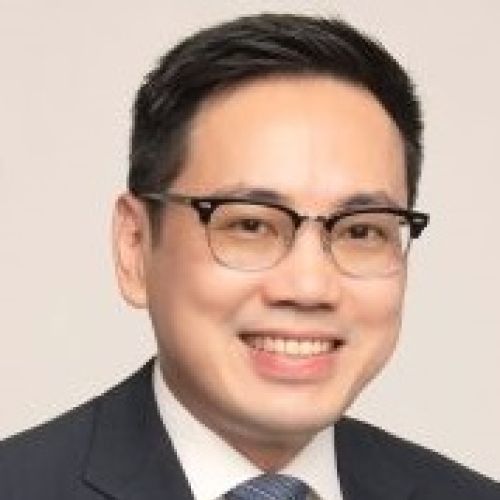
Allen Cheong

Allen has more than 25 years of extensive experience in investment banking, venture investment and entrepreneurial startups. He has helped many entrepreneurs grow their business through mergers and acquisitions, IPOs, fund raisings and restructurings. A seasoned investment banker in established financial institutions such as DBS, OCBC and Daiwa Capital Markets, he spent most of his career in the financial industry, specialising in corporate finance services, with in-depth experience advising, executing and structuring M&A and IPO deals in Singapore and in the region. He has completed more than 40 deals with deal value totaling more than S$10 billion in diverse sectors spanning TMTs, financial, healthcare, energy, real estate, consumer and industrials. Allen currently provides consultancy and trainings for corporates, institutions and schools in the areas of corporate finance, investments and ESG. He has been awarded the CFA Institute Certificate in ESG Investing. Allen graduated with MBA from Chicago Booth School of Business, and is a Chartered Financial Analyst, Chartered Alternative Investment Analyst and Chartered Valuer and Appraiser.

Grant Eligibility

This program has been certified under the IBF Standards and is qualified for subsidizing under the IBF Standards Training Scheme (IBF-STS), subject to all qualification criteria being met.

Singapore Citizen Aged 40 and above Singapore Citizen Aged below 40 and All PRs Others
Course Fees S$2000.00 S$2000.00 S$2000.00
Funding 70% 50% 0%
Nett Fees S$600.00 S$1000.00 S$2000.00
GST S$180.00 S$180.00 S$180.00
Nett Fees + GST S$780.00 S$1180.00 S$2180.00

Please Note:

For all courses commencing after 01st Jan 2023:

Self-Sponsored Category (in the Finance and Banking Industries)

  • Singapore Citizens aged 40 years old and above – 70% Subsidy + 100% GST
  • Singapore Citizens aged 40 years old and below – 50% Subsidy + 100% GST
  • Singapore Permanent Residents – 50% Subsidy + 100% GST

Company-Sponsored Category (in the Finance and Banking Industries)

  • Singapore Citizens aged 40 years old and above – 70% Subsidy + 100% GST
  • Singapore Citizens aged 40 years old and below – 50% Subsidy + 100% GST
  • Singapore Permanent Residents – 50% Subsidy + 100% GST
  • HR needs to create a company account, register, and payment for the participants

For Individuals and Companies NOT in the Finance and Banking Industries

  • Full payment – 100% Course Fees + 100% GST

For the latest IBF subsidy scheme, please refer to IBF website https://www.ibf.org.sg/programmes/Pages/IBF-STS.aspx

– To qualify for the funding, a trainee MUST successfully complete the course (including achieving at least 75% attendance and passing all assessments)
– NTUC Members can enjoy up to 50% funding (capped at $500 per year) under the Union Training Assistance Programme (UTAP)

What's Included

  • A copy of The Scrum Guide
  • A full set of course material
  • Complimentary 2-years Scrum Alliance Membership
  • CSM exam fee and one more free attempt

Prerequisites

Who Should Attend?

The Certified Sustainability Finance Professional (CSFP) program is designed for:

  • Finance Professionals: Bankers, asset managers, investment analysts, and corporate finance specialists seeking to integrate ESG and sustainable finance into their investment and lending decisions.
  • Sustainability and ESG Practitioners: Corporate sustainability officers, ESG analysts, and risk managers aiming to enhance their understanding of sustainable finance instruments, reporting standards, and regulatory compliance in Singapore.
  • Business Leaders and Decision-Makers: Executives and managers responsible for strategy, investment decisions, or organizational sustainability initiatives who need practical tools and frameworks for ESG integration.
  • Regulatory and Compliance Professionals: Professionals responsible for implementing MAS, IBF, SGX, and ISSB-aligned sustainability reporting and green finance practices.

Participants will leave the program equipped with the knowledge, skills, and tools to design, evaluate, and implement sustainable financing strategies, with a strong focus on practical application in the Singapore context.

Certification Process

Abstract colorful geometric shapes on white background.
Register from a REP Institute

AgileAsia and get in-person coaching by Certified Scrum Trainers®

Red graphics with "[" symbol.
Login with Scrum Alliance credentials

After the successful completion of the course, Scrum Alliance will send you the credentials. Login with them and create your own.

Use those credentials to take the exam

Answer at least 37 correctly out of 50 questions with-in a 60 minute time frame

Red graphics design.
Certified Scrum Master License Agreement

Once you pass the exam you will be asked to accept the Certified Scrum Master License Agreement which is valid for 2-years

Congratulations. You are a Certified ScrumMaster!
Maintain your Certified Scrum Master certification by renewing for every 2-years

Why Most Corporate Prefer Us?

At AgileAsia, we pride ourselves on being the go-to destination for all your corporate training needs. Discover why countless businesses choose us as their preferred training provider:

$122k
Certified scrum Master Bags/ Average per Annum
85%
of the professionals get a job after CSM
97%
of companies now use Agile development methods

Comprehensive Training Solutions

As a leading training provider in Singapore, we offer a diverse range of professional certification courses, ensuring we can meet all your training requirements under one roof. We specialise in bridging the knowledge gap and equipping your workforce with the skills needed to thrive in today’s competitive world. Learn more about our commitment and values on our About Us page.

Trusted by 50+ Corporates

Our track record speaks for itself. With the trust of over 50 corporate clients, we have established ourselves as a reliable partner in delivering exceptional training solutions. We have successfully served businesses of all sizes and industries, earning their confidence through our commitment to excellence.

Expertise in Consulting and Coaching

Our team brings extensive experience in consulting, coaching, and serving corporate clients. We understand businesses’ unique challenges and objectives, allowing us to provide tailored training solutions that address your specific needs. With our expertise, we guide organizations toward sustainable growth and success.

Highly Qualified Instructors

Our courses are designed and delivered by highly qualified instructors with industry knowledge and practical experience. They possess the expertise to deliver engaging and impactful training sessions, ensuring your employees gain valuable insights and applicable skills.

Customized Solutions

We recognize that every organization is unique. That’s why we offer customized training solutions that align with your company’s goals, culture, and industry requirements. Our instructors work closely with you to tailor the training content and delivery methods, ensuring maximum relevance and effectiveness.

Join the ranks of satisfied corporate clients who have experienced the AgileAsia advantage. Elevate your workforce’s capabilities and drive your organization toward unprecedented success with our trusted training solutions.

Testimonials

Eugene Lee

Project Manager


Never have I attended such an engaging course and it makes my journey of Agile and Scrum journey much more fun and fulfilling. Trainer Stuart Mitchell has definitely take up the standard of teaching and coaching up many notches. Very insightful views from vast working experiences that Stu has. Highly recommended!

Edwin Anuruddha Chow

Event Manager


Dennis and team are just simply great to work with. They are prompt with their replies and clear with their instructions to ensure that learners get the best experience and learning journey with them. That's why I had chosen to go back to them for my CSPO course after taking my CSM course with them. I am looking forward to the post course gatherings and informal trainings which I heard they they organize after Covid.

Quah Kai Li

Senior Auditor


The class was conducted in the best way possible (online zoom classes)! Stu is really passionate and shares many tips on facilitation. Highly recommend to anyone!

Shibil Poulose

Senior Director at VISA Singapore


Thanks for the CSM course, I found it a rewarding experience. The course was well set out, easy to understand, and had an amazing trainer and coach (Stuart). It wasn’t just about certification, but also gave insights to a lot of engagement techniques and real world experiences. I would highly recommend this course.

Renganayaki Ramasamy

Junior Product Associate


The CSPO course that I took recently from Agile Asia was excellent. The instructor Mr.Sam had made us understand the responsibility of a PO very easily, with good hands-on practices and Q&A sessions after each topic. I would recommend this course for anyone, who would like to acquire Agile skills in a short period.

Abby Zhijun Wu

Software Engineers


Absolutely wonderful course - The 2-day program was concise yet informative, also very engaging. Highly recommend anyone looking to do Certified Scrum Master to go with Agile Asia. The payment was also fuss-free, and if you are Singaporean, Skillsfuture credits were easily utilized

Lydiawati

Junior Product Associate


Excellent course. The trainer was very interactive and provided very useful examples and facilitation techniques that are relatable in the working world. It was a good and enriching experience engaging with the trainer and other team members via the different platforms used throughout the course.

Terry Ng

Software Engineers


The program was concise and practical. I get to walk through the entire scrum process. Stu guided the team into role-playing for experiential learning! Much enjoyed! Word of caution: High energy and focus required throughout the course.

Ajay Kumar Venkatasubramanian

Junior Product Associate


One of the best providers in the agile training space. The facilitators Stu and Sam have been there are done Scrum in large organizations and bring a wealth of knowledge. They convey concepts so well during classes that even people without a prior background can assimilate the knowledge easily.

Herman Shah

Software Engineers


Attended CSM course by Stu Mitchell. Really enjoyed his lesson. Taught us how to be a good ScrumMaster. The techniques and case studies and engagement by the trainer, really showed the role is key in the scrum team. Definitely recommend.

Poh Sing Low

Software Engineers


This is an excellent training program conducted by a highly professional, knowledgeable and practicing trainer supported by a very motivated team. Stu Mitchell demonstrated in the real-life example of how to facilitate a Scrum team as a Scrum Master. His role plays often depict the real-life example

S. Davidson

Executive Director, JP Morgan (October 2017)


Thanks again for the course, I found it excellent and connected directly to all the challenges we talked through (especially as I am in large scale scrum delivery, plugging into multiple waterfall teams/cultures - not easy!).

R. Roach

CSM Trainer (TCS)


As a course participant you will definitely learn how to implement Scrum, but more importantly, exposure to Stuart’s passion will give you both critical insights into the underlying, non obvious, issues and tools and techniques you can use to immediately increase the odds that your orgnanization’s

A. Nath

Trainer (Oracle)


I cleared my Scrum Master certification examination with 100% mark. I am so grateful for your efforts! Stuart is an incredible trainer. I will highly recommend you to my friends and colleagues

C.Popescu

Senior Scientist at Oracle


I had some agile experience going into the training, and it was very helpful to learn what I do well. More importantly, I learned what I don’t do well and how to change that.

Frequently Asked Questions

Certified Scrum Master Training: Who should take this Certified Scrum Master course?

Scrum Master Certification can be taken by any professionals who are interested in intensifying their knowledge on Scrum. This course is ideal for:

  • Software Engineers
  • Product Managers
  • Project Managers
  • Team Leaders
  • Business Analysts
  • Development team members
  • Testers
  • All interested professionals on Scrum

Certified Scrum Master Training: What are the prerequisites for taking Certified Scrum Master training?

There are no prerequisites to attend Certified Scrum Master course. But, it is recommended to have basic knowledge of Scrum to understand the concepts quickly in the training.

Certified Scrum Master Training: Is online/virtual Certified Scrum Master training available?

Scrum Alliance has encouraged Training Providers to conduct classes virtually and has to meet the highest level of quality and rich learning experience guidelines. We are delighted that our live interactive virtual courses are considered as top 1 in the world.

Certified Scrum Master Training: How long does it take to complete the Certified Scrum Master training?

The Certified ScrumMaster course takes 2-days’ to complete which include both theoretical and practical sessions.

Certified Scrum Master Training: How to maintain the Certified Scrum Master certification?

To maintain the Certified ScrumMaster certification, you need to submit 14 SEUs and pay $100 for every 2 years.

Certified Scrum Master Exam: Scrum Alliance - Certified Scrum Master TEST FAQ’s

When can I take the Certified Scrum Master Exam?

At the end of the Course the Scrum Alliance will send an email with your login ID and a link to the Scrum Alliance website.

You will follow the link in that Scrum Alliance email to complete your membership registration, just complete the information highlighted in RED.

You will then need to accept the licensing agreement for pending Scrum Master registration…

Ticking that acceptance box will trigger the appearance of the TAKE THE Certified Scrum Master TEST button in your Scrum Alliance Dashboard.

YOU HAVE 90 DAYS TO TAKE AND PASS THE Certified Scrum Master TEST

If you are an existing Scrum Alliance member you will also receive an email but you will just accept the Certified Scrum Master licence agreement then you can TAKE THE TEST

Who is it set by?
The Test is set by the Scrum Alliance, ensuring standards are consistent all over the world.

Where do I take the test?
The test is ONLINE you should aim to have a very stable connection to the internet.

What type of exam are we talking about?
It is multiple choice – there are 4 choices but only ONE correct choice.

How many questions are there and what’s the pass rate?
There are 50 questions for everyone. The pass rate is 37 correct out of 50.

Are any questions scenario based?
Yes, but there is a mixture of questions. If you have the Scrum Guide printed and with added notes, you will be fine.

Will everyone get the same questions?
No. There is a pool of 150 questions, but all aspects of the course are covered in every Certified Scrum Master Test.

Is there a time limit?
YES! The time box is 60 minutes – so 50 questions in 60 minutes!

Will the test be moderated?
NO. The test is OPEN BOOK. But remember you only have 60 minutes for those 50 questions, if you look up everything in detail you will run out of time.

Is there going to be negative marking?
No.

Can I bookmark questions so I can come back to them later?
Yes. You can move back and forward through the test until you finally hit SUBMIT or run out of time. But answer every single question, even the ones you bookmark, before moving on.

What if my connection fails and I temporarily lose the connection to the Certified Scrum Master Test Portal?
Log back in IMMEDIATELY, the system will know you had not finished and offer you the option to RESUME your 1st attempt – take that option and you will pick up where you left off.

When will I know if I have passed?
Immediately! You get your pass rate and percentage rate.

If I get any questions wrong, am I told what the correct answer is?
NO. To protect the integrity of the Test, the Scrum Alliance will tell you which questions you did not answer correctly but you will not get the correct answer.

What happens if I don’t pass – maybe because I run out of time?
You have TWO CHANCES to pass, if re-taking…, do it AS SOON AS POSSIBLE.

When I pass… What then?
· The Test Link is in an Exam portal – once you have passed you can close that down.
· Return to the Scrum Alliance website – www.scrumalliance.org – log back in if necessary.
· In the SA website you can find your Certificate in the dropdown certification dashboard – top right hand side.

Certified Scrum Master Exam: Can I retake the Certified Scrum Master exam if I fail?

Yes, you are allowed to take 2 attempts for free within 90 days you receive the welcome email from Scrum Alliance. You will be charged $25 for each additional attempt or after 90 days.

Certified Scrum Master Exam: Is it mandatory to take the Certified Scrum Master training in order to attempt the exam?

Yes, because Scrum Alliance believes that true learning with a CST or CEC requires in-person instruction.

Certified Scrum Master Certification: Why should you take Certified Scrum Master certification?

The popularity for Certified Scrum Master certification is increasing as the companies are looking for certified Scrum Masters where each team needs a dedicated person who can manage and perform different Agile projects. Holding a Scrum Master certification will show that you possess the required dedication that companies are looking for in Scrum Masters and open up new career opportunities.

Certified Scrum Master Certification: Who offers the Certified Scrum Master certification?

Certified ScrumMaster is a designation offered by Scrum Alliance to those who have successfully completed a 2-day Certified Scrum Master course and demonstrates your expertise and skills in Scrum.

Certified Scrum Master Certification: How long does the Certified Scrum Master certification is valid?

Certified Scrum Master certification is valid only for 2 years and needs to be renewed after that.

PDUs and SEUs: What are PDUs and SEUs?

PDUs (Professional Development Units) and SEUs (Scrum Educational Units) are the credits offered by the Project Management Institute and Scrum Alliance, respectively. Successful completion of educational training or learning opportunities, which serve to validate your participation and continued proficiency helps you earn these PDUs and SEUs.

PDUs and SEUs: Where are PDUs and SEUs applicable?

PDUs and SEUs demonstrate your contribution to the Agile environment by providing credits for any professional achievement that you make in your career. Individuals who hold a credential from Scrum Alliance require to earn a certain number of SEUs for every 2 years to get certified. Similarly, an individual who holds a certification from PMI except the CAPM® needs to earn a certain number of PDUs for every 3 years.

IBG Certification: About IBF Certification for courses eligible for IBF Qualified (IBFQ)

Participants who successfully complete this course and fulfill the required number of Technical Skills and Competencies (TSCs) for the selected job role can apply to be conferred the IBF Qualified (IBFQ) certification status.

Find out more about IBF certification and the application process on

https://www.ibf.org.sg/certification/Pages/Why-be-Certified.aspx


IBG Certification: About IBF Certification for courses eligible for IBF Advanced (Level 2/3)

Participants who successfully complete this course with at least 3 years of relevant financial services industry experience and fulfill the required number of Technical Skills and Competencies (TSCs) for the selected job role can apply to be conferred the IBF Advanced (Level 2/3) certification status.

Find out more about IBF certification and the application process on

https://www.ibf.org.sg/certification/Pages/Why-be-Certified.aspx

IBG Certification: About IBF Certification

This course addresses the following Technical Skills and Competencies (TSCs) and proficiency level: • <TSC and its corresponding proficiency level>

Participants are encouraged to access the IBF MySkills Portfolio (https://www.ibf.org.sg/programmes/Pages/MySkills-Portfolio.aspx) to track their training progress and skills acquisition against the Skills Framework for Financial Services. You can apply for IBF Certification after fulfilling the required number of Technical Skills and Competencies (TSCs) for the selected job role.

Find out more about IBF certification and the application process on

https://www.ibf.org.sg/certification/Pages/Why-be-Certified.aspx


IBG Certification: Video on IBF Certification

How Can I Get Scrum Master Certification?

Getting Scrum Master certification involves a structured process:

  • Choose an Accredited CSM Course – Enrol in a recognised Scrum Alliance training programme.
  • Attend the Required Training – Learn Scrum theory, team dynamics, and Agile best practices.
  • Take and Pass the CSM Exam – Complete the test to demonstrate your understanding of Scrum.
  • Maintain and Upgrade Your Certification – Earn SEUs and renew your certification every two years.

Our AgileAsia training ensures a fun, engaging, and practical approach to Scrum certification, setting you up for success in your Agile career.

Next Intake:

Funding is applicable only to those working in the banking and finance industries.

$780.00 - $2180.00

(Include GST)

Download Course Content

LOGIN

Or
No apps configured. Please contact your administrator.

SIGN UP​​

Or