Project management is an essential part of any successful business, and there are two predominant approaches: agile and traditional. Agile project management focuses on rapid delivery of projects in small increments, while traditional project management emphasizes a more structured approach that prioritizes planning and control. Both methods have their advantages and disadvantages, but agile has become increasingly popular as organizations strive to keep up with the ever-changing market demands. Understanding the differences between agile and traditional project management can help you determine which approach is best for your organization’s needs.
Definition of agile project management
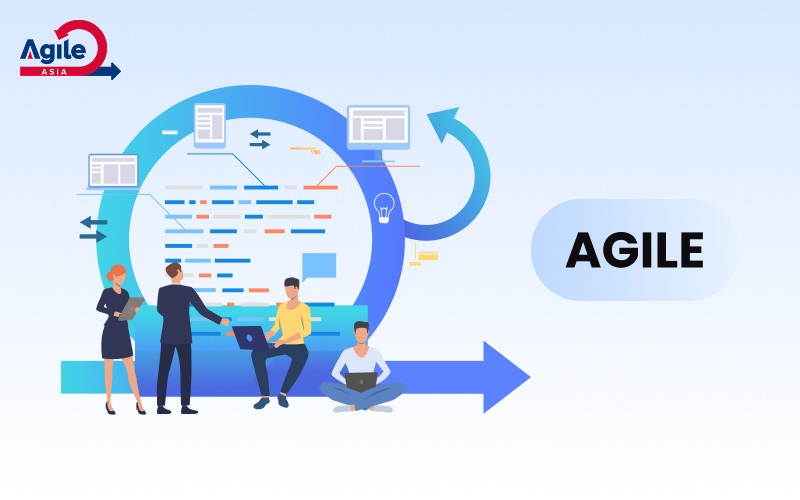
Agile project management is an iterative approach to planning and leading projects. It focuses on the rapid delivery of tasks in small increments, with frequent feedback from stakeholders and end-users. Agile emphasizes collaboration between individuals within the team, encourages self-organization, and allows for flexibility in order to adapt quickly to changing requirements or market conditions.
Benefits of agile project management
Agile project management can deliver projects quickly, with minimal risk and disruption to existing operations. It also allows for quick adaptation to changing requirements or customer needs. Additionally, agile encourages self-organization within the team which can result in improved morale and higher-quality work.
Challenges associated with agile project management
Agile project management can be difficult to implement without proper training and guidance. It also requires clear communication between stakeholders and team members, as well as strong collaboration among the various groups involved in the project. Additionally, agile projects are typically completed in a shorter timeframe than traditional projects, which can lead to time constraints if not managed properly.
Definition of traditional project management
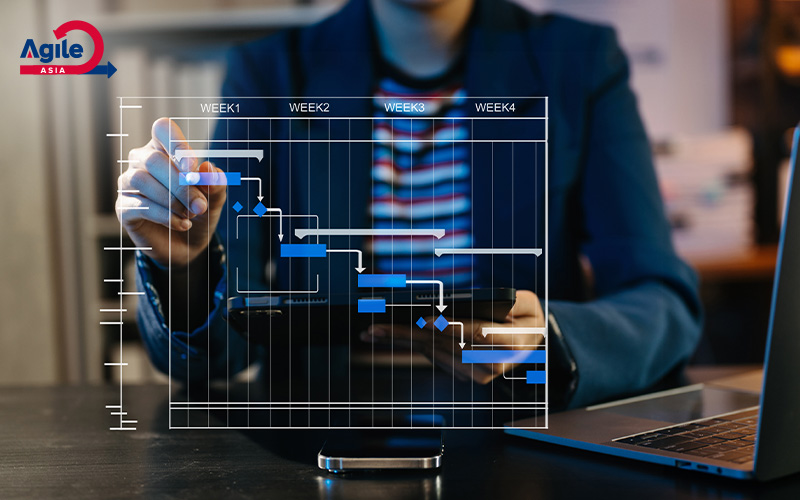
Traditional project management is a systematic approach that focuses on careful planning and control over the duration of the project. It emphasizes detailed specifications, strict timelines, and clear roles and responsibilities within the team. Traditional project management also requires strong leadership, as well as meticulous documentation throughout the entire process.
Benefits of traditional project management
Traditional project management allows organizations to carefully plan out projects and ensure they adhere to agreed-upon specifications. It also provides clear deadlines, which helps keep stakeholders on track and prevents costly delays. Additionally, traditional methods of project management enable strong leadership and communication between team members.
Challenges associated with traditional project management
One of the challenges of traditional project management is that it can be time-consuming, especially for larger projects. It also requires strong documentation, which can be difficult to maintain when dealing with a large number of stakeholders and team members. Additionally, traditional methods are often rigid and inflexible, meaning they may not be able to adapt quickly enough to changing customer needs or market conditions.
Traditional project management can be rigid
Traditional project management, can be rigid and inflexible, meaning it may not be able to adapt quickly enough to changing customer needs or market conditions. Agile project management can be difficult to implement without proper training and guidance but is better suited for rapidly changing market conditions and allows for quick adaptation to changing requirements or customer needs.
Final conclusion
In conclusion, agile and traditional project management methods can both be beneficial to organizations depending on their needs. Agile is best suited for rapidly changing market conditions while traditional provides better control over the duration of the project and clear deadlines. Ultimately, you should consider your organization’s specific needs when deciding which method to use.
Ultimately, it is important to recognize that agile and traditional project management are not mutually exclusive. Organizations can benefit from using a combination of the two methods depending on the scope of their project, as well as their objectives and desired outcomes. By evaluating your organization’s needs and combining agile and traditional practices, you can ensure that your projects are delivered efficiently while providing value to all stakeholders.
In Singapore, the realm of agile methodologies and certifications, such as Certified Scrum Master (CSM), Certified Scrum Product Owner (CSPO), and Scaled Agile Framework (SAFe), plays a significant role in shaping modern project management approaches. AgileAsia, a leading training provider, offers a diverse range of courses catering to professionals seeking expertise in Scrum Alliance certifications, including Scrum Master and Product Owner certifications. AgileAsia’s Certified Scrum Master (CSM) and Certified Scrum Product Owner (CSPO) programs are designed to equip individuals with the knowledge and tools necessary to thrive in agile environments, promoting effective teamwork, product ownership, and agile project management.
Moreover, as the business landscape in Singapore evolves, the demand for professionals skilled in Safe Agile Framework (SAFe) principles is on the rise. AgileAsia addresses this need by offering leading SAFe training and certification courses, enabling individuals to understand the complexities of the SAFe Agile Framework and excel in implementing agile methodologies at an enterprise level. The courses cover aspects such as Agile Project Management vs. Waterfall methodologies, enhancing understanding and expertise in SAFe principles and practices for better project deliveries. Additionally, AgileAsia’s programs also encompass other pertinent certifications, such as ISACA’s Certified Information Systems Auditor (CISA), providing individuals with a well-rounded education in project management, agile methodologies, and industry-standard certifications.
Navigating the Project Management Landscape: Agile vs Waterfall and Scrum Methodology
In the dynamic world of project management, two distinct approaches stand out: Agile and Waterfall. Agile, with its emphasis on flexibility and adaptability, has gained popularity in recent years, while Waterfall, with its structured and sequential approach, remains a mainstay in certain industries. Understanding the nuances of each methodology is crucial for project managers to make informed decisions and achieve success.
Agile Scrum: An Iterative Approach
Agile Scrum is a popular implementation of Agile methodology, characterized by its iterative approach and focus on continuous improvement. Projects are divided into sprints, short cycles where teams work on specific deliverables. Daily stand-up meetings, also known as daily scrums, facilitate communication and ensure everyone is aligned. This methodology thrives on collaboration, adaptability, and user feedback.
Debunking Common Misconceptions
A common misconception is that Agile is solely for software development. In reality, Agile principles can be applied to various projects, from marketing campaigns to product launches. Another misconception is that Agile eliminates planning altogether. While Agile embraces flexibility, it still requires upfront planning and a clear understanding of the project’s goals.
Agile vs Waterfall: A Comparative Analysis
Agile and Waterfall differ in their approach to project execution. Agile’s iterative nature allows for early feedback and course correction, while Waterfall’s sequential approach emphasizes upfront planning and documentation.
Deliverables: The Tangible Outcomes
Deliverables are the tangible outputs of a project, representing the completed work. They serve as milestones, providing checkpoints for progress evaluation and stakeholder communication.
Certification Pathways: Enhancing Professional Expertise
Various certifications, such as Professional Scrum Master (PSM) and Certified ScrumMaster (CSM), validate an individual’s expertise in Scrum methodology. These certifications enhance employability and demonstrate commitment to professional development.
Unlocking SkillsFuture Funding
SkillsFuture Singapore provides funding for individuals to pursue lifelong learning. Agile courses, including Scrum Master and Product Owner training, are eligible for SkillsFuture credit claims, making them an attractive investment for career advancement.
Unveiling Agile Leader Attributes
Effective Agile leaders foster collaboration, encourage transparency, and embrace change. They empower their teams to take ownership and navigate uncertainty with agility.
Product Owner’s Accountability: Ensuring Deliverables
A Product Owner’s primary responsibility is to ensure the successful delivery of project deliverables. They act as the bridge between stakeholders and the development team, ensuring that the product meets user needs and business objectives.
Waterfall vs Agile: Choosing the Right Fit
The choice between Agile and Waterfall depends on the project’s nature, requirements, and team dynamics. Agile is well-suited for projects with evolving requirements and a need for early feedback, while Waterfall is effective for projects with well-defined scope and minimal change expectations.
Safe Agile: Scaling Agile for Larger Projects
Safe Agile provides a framework for scaling Agile principles to larger, more complex projects. It helps organizations coordinate multiple Scrum teams and ensure alignment across the entire project.
In the rapidly evolving landscape of professional development and certification courses, Singapore emerges as a hub for individuals seeking specialized training programs. From Agile courses and Blockchain certifications to security courses and risk management, the island nation offers a vast array of opportunities for professionals eager to upskill and expand their expertise.
Blockchain certification courses have gained immense popularity, particularly in Singapore. These programs offer in-depth knowledge and hands-on experience in blockchain technology, catering to individuals seeking to grasp the intricacies of this transformative technology.
Additionally, professionals often seek CRISC certifications in Singapore to enhance their expertise in risk and information systems control. Acquiring these certifications provides a competitive edge in the job market.
As the demand for agile methodologies surges, the significance of Master Scrum and CSM (Certified Scrum Master) certification becomes increasingly apparent. The courses offered in Singapore equip individuals with the skills required to excel in Scrum methodologies, empowering them to manage projects effectively and efficiently.
One key player in the realm of professional certifications in Singapore is ISACA. Professionals opt for CISA (Certified Information Systems Auditor) and CSM Scrum Alliance certification through ISACA, known for its high-quality certification courses.
Furthermore, courses in UX Design in Singapore have gained attention, appealing to individuals interested in User Experience (UX) and User Interface (UI) design methodologies.
The SkillsFuture initiative, along with the UTAP claim, facilitates access to various courses. It allows individuals to claim credits, fostering continuous learning and skills development.
Singapore’s vibrant educational ecosystem offers a plethora of courses in Agile project management versus waterfall methodologies, addressing the ever-evolving demands of the market.
In the quest for career growth, professionals consider Scrum Master salaries and the role’s significance in Scrum meetings, acknowledging the pivotal role these professionals play in agile project management.
In essence, Singapore’s professional education landscape presents a rich tapestry of learning opportunities. The island city-state’s commitment to education and skill development resonates through a diverse range of certifications, training programs, and courses, empowering individuals to carve a path towards personal and professional growth.