The Future of Sustainability in Singapore

Introduction 

Singapore, a global hub of innovation and progress, is at the forefront of sustainability efforts, paving the way for a greener and more resilient future. With a comprehensive roadmap outlined in the Singapore Green Plan 2030, the nation is committed to achieving ambitious sustainability goals and transforming itself into a model of environmental stewardship. 

Ambitious Sustainability Goals: Charting a Sustainable Course 

Singapore has set ambitious sustainability goals to address climate change, resource scarcity, and environmental degradation. These goals include: 

  • Net-Zero Emissions by 2050: Reducing greenhouse gas emissions to net-zero by 2050, a significant step towards mitigating climate change. 
  • Circular Economy: Embracing a circular economy approach, minimizing waste generation and maximizing resource utilization. 
  • Urban Sustainability: Creating sustainable and livable cities, promoting green spaces, and enhancing urban infrastructure. 
  • Resource Efficiency: Optimizing resource consumption, reducing reliance on imported resources, and enhancing resource security. 

Transformative Initiatives: Shaping a Sustainable Future 

Singapore is implementing a range of transformative initiatives to achieve its sustainability goals: 

  • Renewable Energy Integration: Expanding the use of renewable energy sources, such as solar and wind power, to reduce dependence on fossil fuels. 
  • Energy Efficiency Drive: Enhancing energy efficiency in buildings, industries, and transportation, reducing overall energy consumption. 
  • Sustainable Urban Development: Promoting compact, mixed-use urban planning, developing eco-friendly buildings, and enhancing public transportation systems. 
  • Green Economy Development: Fostering a green economy by supporting sustainable businesses, creating green jobs, and attracting green investments. 

The Role of Technology and Innovation 

Technology and innovation play a crucial role in Singapore’s sustainability journey: 

  • Smart Grid Technology: Implementing smart grid technology to optimize energy distribution, reduce energy losses, and integrate renewable energy sources. 
  • Digital Solutions for Waste Management: Utilizing digital technologies to improve waste collection, optimize waste disposal, and promote circular economy practices. 
  • Data-Driven Sustainability Planning: Leveraging data analytics and modeling to inform sustainable urban planning, resource management, and environmental monitoring. 
  • Sustainable Building Technologies: Embracing sustainable building technologies, such as energy-efficient materials, passive cooling systems, and renewable energy integration. 

Share with:

Other Articles

Human and AI robot interacting at a laptop in a futuristic setting.

Unlock the Power of Generative AI with the Right AI Skills

Generative AI is transforming how we create, learn, and solve problems at work. This article explores how building the right skills can unlock its full potential. From automating tasks to enhancing creativity, the role of AI in professional development is growing rapidly. Read on to discover how to stay ahead with practical, future-ready skills in generative AI.

Read More »
Business person interacts with a holographic chatbot.

The Role of Chatbots and Virtual Assistants in Project Management

Virtual assistants and chatbots are transforming how teams handle automated task management in projects. From assigning tasks to tracking progress and answering queries, these AI-powered tools streamline workflows, improve communication, and free up time for strategic work. Learn how project managers can use a virtual assistant to boost efficiency and stay on top of deadlines.

Read More »
Person interacting with digital transparent screen chart.

Future Proof Skills Every Project Manager Needs in the Age of AI and Sustainability

As sustainability and technology reshape the project landscape, future-ready leaders must adapt. This article explores the essential AI skills for project managers and the importance of green project management practices. Learn how combining data-driven decision-making with eco-conscious strategies can help you lead more effectively and stay relevant in a world that values both innovation and responsibility.

Read More »
Agile team working with a development cycle.

AI Skills Agile Leaders Need to Learn Now

Effective Agile leadership requires a mix of skills, with data literacy becoming increasingly vital. Agile leadership development focuses on fostering these abilities to guide teams confidently, make informed decisions, and adapt swiftly. This article explores the key skills Agile leaders need to thrive in today’s fast-paced environments and how developing data literacy can enhance their impact.

Read More »
Woman leading a brainstorming session on a whiteboard.

Agile Certifications vs. Real-World Experience

Getting Agile certified can boost your credibility, but hands-on experience with Agile practices is what truly shapes effective practitioners. This article explores how both certification and real-world application play vital roles in career development, helping you build the confidence and capability to thrive in dynamic project environments. Discover how to strike the right balance for success.

Read More »
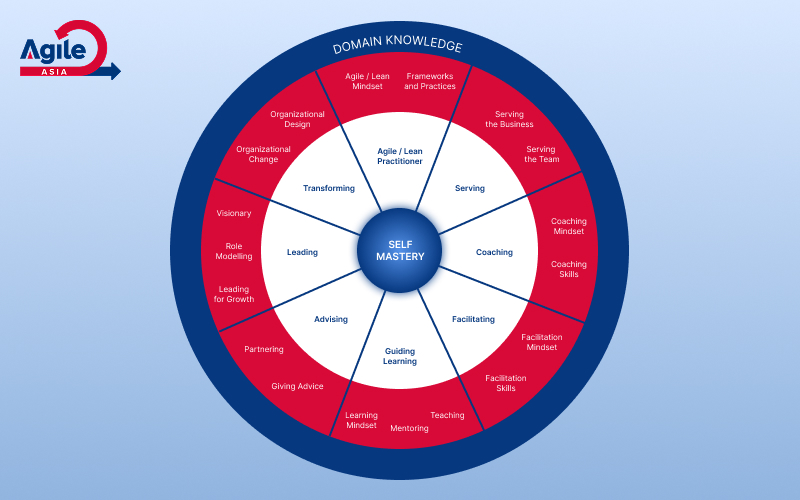
Agile Lean Practitioner domain knowledge wheel.

What Recruiters Look for in Agile Practitioners in 2025

As Agile becomes mainstream across industries, Agile talent acquisition is evolving to match rising Agile skills demand. Recruiters now prioritise soft skills, adaptability, and real-world experience over just certifications. This article explores what hiring managers truly look for in Agile practitioners today, and how candidates can stand out in a competitive and fast-changing job market.

Read More »

LOGIN

Or
No apps configured. Please contact your administrator.

SIGN UP​​

Or