Part 1: Introduction
1.1. What Are Chatbots and Virtual Assistants?
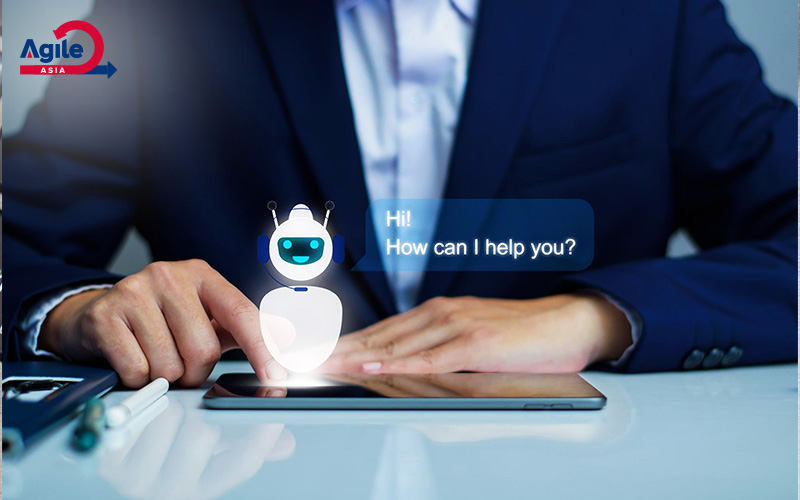
Chatbots and virtual assistants are AI-powered tools designed to interact with users through natural language. While both serve to automate interactions, their functions differ. Chatbots are typically rule-based, handling straightforward queries and responses. You might see them answering FAQs, confirming appointments, or providing real-time updates through messaging platforms. Virtual assistants, on the other hand, are more advanced. They use machine learning and natural language processing (NLP) to support more complex workflows, such as coordinating schedules, tracking task progress, generating reports, and summarising project updates.
In the context of project management, these technologies are proving invaluable. Virtual assistants can integrate with popular platforms like Slack, Microsoft Teams, Jira, and Trello to support real-time team communication, reduce manual data entry, and enhance collaboration. They enable automated task management in projects by reducing time spent on repetitive administrative work, such as setting reminders or checking task statuses.
As AI becomes more embedded in daily workflows, the use of AI-driven project communication tools is growing across Singapore’s project teams. These tools are quickly becoming central to how modern teams operate, particularly in fast-paced, Agile environments. Their role is expected to expand even further as teams adopt intelligent virtual assistants for project workflows to scale efficiently and improve decision-making.
1.2. Brief Overview of the Article
As organisations around the world embrace digital transformation, the role of chatbots and virtual assistants in project management is becoming more prominent. While traditionally seen as tools for customer service or administrative support, these AI-powered systems are now integral to modern project workflows. They help reduce repetitive work, deliver real-time updates, and keep teams aligned, especially in distributed or hybrid work environments.
This article explores how virtual assistants and chatbots are changing the way project managers communicate, track progress, and allocate resources. You will discover how AI-driven project communication tools can help support collaboration; how automated task management in projects can enhance productivity; and how intelligent virtual assistants for project workflows offer real-time, contextual insights that help teams make better decisions.
We will also take a closer look at practical applications across platforms like Slack, Microsoft Teams, Jira, and Trello, highlighting how these tools fit into an Agile delivery model. At the same time, we will highlight their limitations and address issues like data security, tool integration, and over-reliance on automation.
Whether you are a project manager, scrum master, or team lead, this article will give you a clear understanding of where these tools add value and how you can use them responsibly. We will also point to relevant Generative AI courses, prompt engineering courses, and artificial intelligence courses to help you build future-ready skills.
Key Takeaways
- Virtual assistants are transforming modern project management by streamlining communication, automating repetitive tasks, and enabling real-time team collaboration.
- AI-driven project communication tools enhance responsiveness and efficiency, freeing up time for project managers to focus on strategic planning and leadership.
- While adoption comes with challenges, understanding the role of intelligent virtual assistants for project workflows can help project teams make better and more timely decisions.
Part 2: Core Applications in Project Management

2.1. Enhancing Communication and Collaboration
Effective communication is central to the success of managing any project. Yet, in fast-paced, cross-functional environments, keeping everyone informed and aligned is often easier said than done. This is where virtual assistants and chatbots are making a significant impact. Integrated with everyday tools such as Microsoft Teams, Slack, or Jira, they provide seamless, on-demand access to information, automate status updates, and offer support across time zones, eliminating the delays and friction that come with manual follow-ups.
Rather than relying solely on emails or chasing updates through different platforms, teams in Singapore can now type simple queries like, “What are this week’s deadlines?” or “Has the QA team completed testing?” and get real-time responses. These capabilities help reduce miscommunication, speed up response times, and keep everyone focused on meaningful work.
Virtual assistants not only support day-to-day task updates, but also promote collaboration by centralising shared project information and nudging team members on overdue tasks or upcoming reviews. In distributed teams, they help bridge communication gaps by offering multilingual support and 24/7 availability, making them invaluable in global and regional projects alike.
Key functions include:
- Automated meeting scheduling and reminders based on shared calendars
- Immediate answers to routine project-related questions, reducing delays
- Seamless integration with tools like Slack, Microsoft Teams, and Jira
- Real-time updates on task progress, milestones, and blockers
- Support for multilingual communication, useful for cross-border project teams
By adopting AI-driven project communication tools, organisations improve both responsiveness and accuracy, leading to more productive Agile sprints and improved stakeholder engagement. As a result, these tools are becoming an integral part of efficient, modern project delivery.
2.2. Automating Routine Project Management Tasks
Project managers often find themselves burdened with repetitive administrative tasks that consume valuable time better spent on strategic activities. This is where virtual assistants and AI-powered chatbots can lend invaluable support by automating routine processes such as updating task statuses, tracking deadlines, and generating reports. By handling these time-consuming activities, virtual assistants free project managers to concentrate on high-impact decisions and problem-solving.
For instance, virtual assistants can automatically update project management platforms like Jira or Trello as tasks progress, ensuring that data remains accurate and current without manual input. They can monitor approaching deadlines and generate timely alerts, helping teams avoid delays or missed milestones. These AI-driven systems also assist in compiling regular status reports by gathering relevant data and formatting it for easy consumption by stakeholders.
Resource allocation is another area where automation plays a key role. Virtual assistants can analyse workload distribution across team members, suggest adjustments to optimise productivity, and highlight potential bottlenecks. This enables project managers to balance capacity efficiently and maintain steady progress.
Furthermore, virtual assistants contribute to streamlining documentation and compliance by automatically managing project records and ensuring adherence to organisational standards. This reduces the risk of errors and improves transparency throughout the project lifecycle.
Key benefits of automating routine project management tasks include:
- Automatic task updates and progress tracking that keep project data relevant
- Deadline monitoring and alert generation to prevent delays
- Report creation and distribution for timely stakeholder communication
- Resource allocation suggestions based on workload analysis
- Streamlining project documentation and compliance checks to reduce errors
By integrating these AI-driven automation capabilities, teams can boost efficiency, reduce human error, and create space for innovation.
Part 3: Impact and Challenges

3.1. Benefits of Using Chatbots and Virtual Assistants in Projects
Chatbots and virtual assistants are transforming project management by automating repetitive tasks and improving communication within teams. Their ability to handle routine functions allows project managers and team members to focus on more strategic and creative aspects of their work, ultimately increasing overall productivity.
One major advantage is the significant boost in efficiency. Automating routine updates, scheduling reminders, and progress tracking reduces the time spent on administrative duties. This not only speeds up workflows but also minimises the risk of errors caused by manual data entry. Virtual assistants provide timely and personalised notifications that help keep everyone aligned and aware of project developments in real time.
Having access to real-time project data is always highly beneficial. To that end, chatbots integrated with project management platforms can instantly retrieve information about task statuses, deadlines, or team availability. This immediate access ensures quicker decision-making, as project managers no longer need to hunt for updates or wait for manual reports.
Accuracy is also improved through automation. By eliminating human errors in data processing, these AI tools enhance the reliability of project documentation and reporting. This accuracy helps maintain stakeholder confidence and supports better project governance.
Moreover, chatbots and virtual assistants enable more personalised and timely communication with stakeholders. They can tailor messages based on project context or audience, ensuring that the relevant information reaches the right people at the right time.
Finally, these AI-driven tools allow project managers to handle multiple projects simultaneously. Automation frees up capacity, enabling more effective multitasking without compromising quality or oversight.
Incorporating virtual chatbots and assistants into project workflows is becoming essential for teams looking to enhance productivity and maintain a competitive edge in a fast-evolving business environment.
3.2. Challenges and Limitations
Chatbots and virtual assistants offer many advantages in project management, but there are important limitations to consider for successful adoption.
- Data Security and Confidentiality Risks
Project management involves sensitive data such as schedules, budgets, and stakeholder communications. Using these tools increases the surface for potential data breaches. Organisations must ensure these tools have strong encryption, role-based access, and comply with data protection laws to maintain confidentiality. - Handling Complex or Nuanced Queries
While AI tools handle routine questions well, they often struggle with complex or context-specific issues. In other words, they might provide incomplete or incorrect answers when subtle human judgment is needed, highlighting that they are supplements, not replacements for human expertise. - Risk of Over-Reliance Leading to Reduced Human Judgment
There is a risk that project teams might depend too heavily on automation, which can dull critical thinking and oversight. Human project managers must continue to oversee AI outputs to ensure that decisions remain well-informed. - Integration Challenges with Existing Project Tools
Not all AI tools integrate smoothly with platforms like Jira, Asana, or Trello, which can cause workflow fragmentation. Technical workarounds or custom integrations may be required, potentially adding complexity and cost. - User Adoption and Change Management Barriers
Adopting AI-driven project communication tools requires a change in mindset. According to a 2024 survey by the International Institute for Learning (IIL), only 9% of project professionals feel “extremely ready” to use AI tools. Without effective training and change strategies, adoption rates will remain low. - Realistic Expectation Management
Despite the global chatbot market being projected to reach USD 46.64 billion by 2029, rapid growth does not guarantee practical impact. Organisations must evaluate where these AI tools can truly add value instead of adopting technology solely for novelty.
By recognising and addressing these challenges, project teams can maximise the benefits of intelligent virtual assistants for project workflows whilst mitigating risks and pitfalls.
FAQs
1. How secure are chatbots and virtual assistants when used in project management?
Security in project management tools depends greatly on the platform chosen. Reputable solutions offer strong encryption, strict access controls, and compliance with data protection regulations to safeguard sensitive project information. However, it remains crucial for project managers to regularly audit these tools to identify any vulnerabilities. Additionally, ensuring that all team members consistently follow data protection policies helps maintain confidentiality and reduces the risk of data breaches when using virtual assistants and other AI-driven tools.
2. Can virtual assistants replace human project managers?
Not at all. Virtual assistants are valuable enablers in project management, designed to support efficiency, coordination, and routine task automation. However, they cannot replace the essential human qualities required for successful project leadership, such as sound judgment, emotional intelligence, and strategic foresight. These uniquely human skills are critical for navigating complex project environments, making decisions under uncertainty, and managing team dynamics.
3. What skills do project managers need to effectively work with AI-powered chatbots and virtual assistants?
It is important for project managers to understand the basics of how AI tools, including virtual assistants, function and their limitations. Equally vital is knowing how these tools integrate seamlessly with existing project software to enhance workflows. Strong communication and change management skills are essential for leading teams through adoption challenges. Additionally, formal training through a prompt engineering course or a generative AI course can help deepen your expertise and maximise the benefits of virtual assistants in project management.
Virtual assistants and chatbots are changing the way projects are managed. By taking on repetitive work, enhancing communication, and providing real-time insights, they enable teams to focus on what really matters—delivery, innovation, and impact.
The future of project management will likely rely heavily on AI-driven project communication tools and intelligent virtual assistants for project workflows. These technologies do not just make teams faster; they make them smarter. That being said, it is important to practise responsible implementation. AI tools must be matched with human oversight, clear objectives, and strong data practices to deliver real value.
If you are looking to build your knowledge and confidence in this area, AgileAsia is here to help. As a leading Agile certification institute in Singapore, we offer a wide range of artificial intelligence courses, including the highly practical Certified Prompt Engineering course designed to help professionals communicate effectively with AI systems.
Our programmes combine hands-on learning with expert guidance to help you unlock the full potential of AI in project delivery.
For more information about our courses and programmes, please contact us today.